Preview
Build your website and try everything before you go live.
$0free
Online store for vintage clothing
Every vintage find is one of a kind, so Cornerrr lists each piece with a stock of one: photos, era, measurements and condition. Once it sells, its stock drops to zero and checkout stops for anyone else.

Step by step
Each find is its own product with a stock of one. When it’s paid for, stock drops to zero and checkout stops, so the jacket can’t be sold a second time while you’re packing it.
Sizes have changed over the decades, and a vintage size 12 often fits like a much smaller modern size. Lay each piece flat and give pit to pit, waist, hips, length, rise and inseam in inches and centimeters.
Show the front, back, label and any stain, hole, fading or repair, in daylight. Honest flaw photos mean fewer unhappy buyers and more regulars than a flattering angle that hides them.
Pick a short scale, such as excellent, very good, good and fair, and explain what each grade means on your FAQ page. Use the same words on every listing so regulars learn to trust them.
Many vintage sellers add a batch of new pieces at the same time each week. Put the next drop on your home page and collect newsletter sign-ups, then export the list to the email tool you use to say it’s live.
Upload a photo and Cornerrr drafts a title, description, alt text and tags. You add what only you know: the era, how the fabric feels, the measurements and the flaws.
Clothing and accessories
Products with photos, options, prices and stock, a cart and a Stripe checkout.
Built in
A stock of one per piece means a sold coat stops selling as soon as it’s paid for. You never have to email a second buyer to say it went to someone else.
Group pieces into collections such as 70s, denim or size medium, and add them to your menu. A shopper who only fits a medium can browse just those.
On the Growth plan you can import products from a spreadsheet, which helps when you measure and photograph forty pieces on a Sunday and want them all listed before the drop.
A “find it for me” page can hide its price and take requests for the item, the size and the budget. Requests land in your Inbox, and you reply by email when something turns up.
Ready-made themes
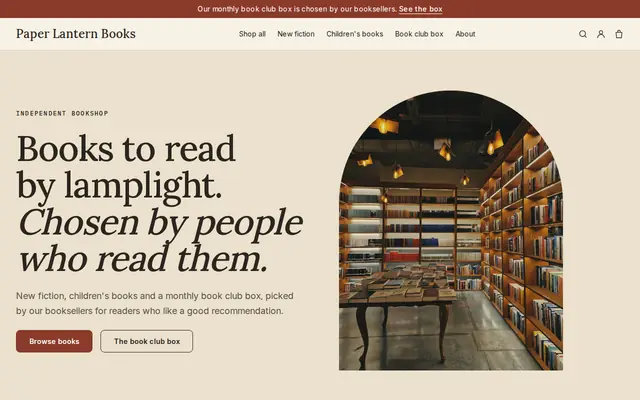
Made for Bookshops, Stationers, Record shops
Bookish and characterful for bookshops and stationers.
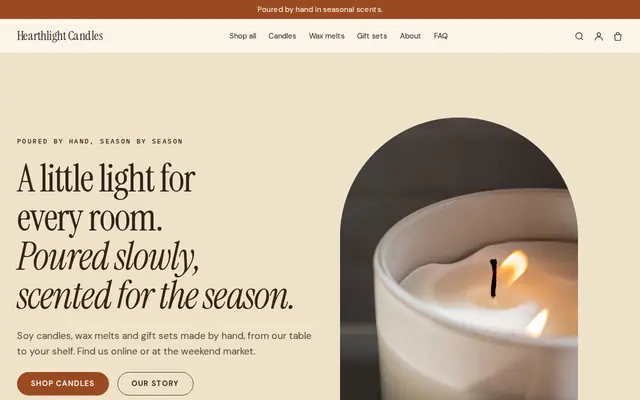
Made for Candle makers, Home goods, Craft makers
Cosy and warm for makers of candles and home goods.
Before you start
If you sell to customers in the EU or UK as a business, a final-sale policy doesn’t override their right to cancel an online order within 14 days of delivery. Say on your returns page how they send pieces back. In the US, return terms are mostly up to your own policy.
Old pieces often have no fiber label. Say what you know, such as “no label, feels like a wool blend”, instead of guessing. Calling something silk, leather or cashmere when it isn’t leads to returns and complaints.
Wash or dry-clean what can be cleaned, check zips, seams and linings, and note any smell of smoke or storage. Buyers forgive age; they don’t forgive surprises.
General information to help you get started, not legal advice. Rules differ by country, state and product, so check the ones that apply to you.
How it works
A sentence or two is enough: what you do, who it’s for and how people buy from you.
Cornerrr writes your pages, adds your products or services, and picks the colours, fonts and look. It takes about a minute.
Link a Stripe account, or create one in a few minutes. Your customers pay you directly.
Publish on your free Cornerrr web address, or use your own. Change anything later by asking.
Payments
Payments go through your own Stripe account, straight to you. Your customers see the methods you turn on in Stripe that work for their country and currency.
Selling in Europe or the US? United States, United Kingdom, Germany, France, Netherlands, Ireland and every country we cover.
Pricing
Build and preview for free, no card needed. Every paid plan starts with a 14-day free trial, and Cornerrr adds no transaction fees.
Build your website and try everything before you go live.
$0free
Go live and start selling.
$19a month
Most popular
For growing businesses with subscriptions and deliveries.
$49a month
For several stores and bigger catalogues.
$99a month
Questions
Look at what similar pieces from the same era and brand have actually sold for, then adjust for condition, size and how rare the piece is. Your sourcing cost, cleaning, repairs and photo time belong in the price too.
For tops: pit to pit, shoulder to hem and sleeve length. For pants and skirts: waist, hips, rise, inseam and length. Measure flat and say so, so buyers know to double the width for the full circumference.
Yes. Set a piece’s stock to zero when it sells at a market, or keep market-only pieces off the website. Cornerrr tracks stock piece by piece, so the website only sells what’s still on your rail.
Yes. Cornerrr doesn’t sync with marketplaces, so you list pieces on your own site directly, or import them from a spreadsheet on the Growth plan. Many sellers run both for a while and point regulars to the website.
No. You describe your business in your own words and Cornerrr builds the website. Afterwards you change things by clicking, or by asking the assistant in plain words.
Building and previewing your website is free, with no card needed. To go live and take payments, choose a plan from $19 a month. Every paid plan starts with a 14-day free trial; a card is needed to start it.
Describe what you sell and see your shop in about a minute. It’s free until you go live.