Preview
Build your website and try everything before you go live.
$0free
Online store for antiques
Describe your stock and Cornerrr builds a dealer website: each piece as a one-of-a-kind product with measurements, period and condition, important pieces on inquiry, trade buyers with tax IDs, and furniture delivery quoted by email.
Step by step
Period, maker or attribution, materials, measurements in inches and centimeters, and condition with any restoration noted. Write “attributed to” or “in the style of” when you can’t prove the maker.
Front, back, underside, marks and signatures, joints, chips and repairs, in soft daylight. Buyers who can’t handle a piece trust the dealer who shows them the worst of it.
If you know where a piece came from, say so and mention the evidence you hold, such as receipts, labels or old photos. If you don’t know, say nothing rather than a story you can’t support.
Price everyday pieces so they sell at checkout. Mark important pieces “price on request”, as the trade often does, so serious buyers inquire and you can talk them through it.
Small items can use your fixed shipping rates. Furniture, mirrors and anything that needs crating are better as price on request, with delivery quoted by email once you know the address.
Put your showroom hours and the next fairs you’re exhibiting at on the home page. Many antiques buyers like to see a piece in person, or to meet the dealer first.
Hobbies, outdoors and collecting
Products with photos, options, prices and stock, a cart and a Stripe checkout.
Built in
Each piece is its own product with a stock of one. When it’s paid for, checkout stops, so a piece is never sold to two buyers.
Hide the price and cart on any piece. Buyers send their questions through a form, the inquiry lands in your Inbox, and you reply by email.
Designers and dealers can add their tax ID at checkout, and one-time orders come with invoices for their records.
Upload a photo and Cornerrr drafts a listing for you to correct with what you know. The AI can’t date or authenticate a piece, so check every detail it writes.
Ready-made themes
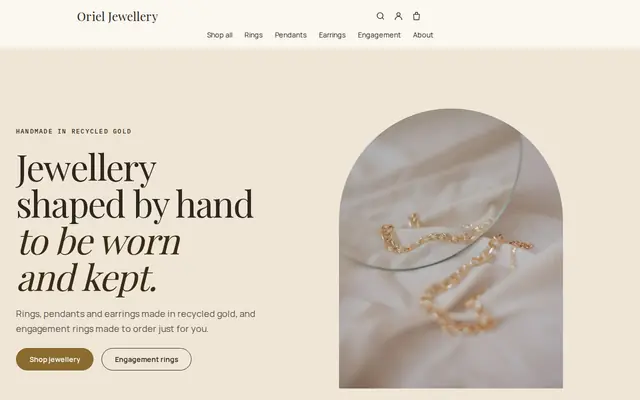
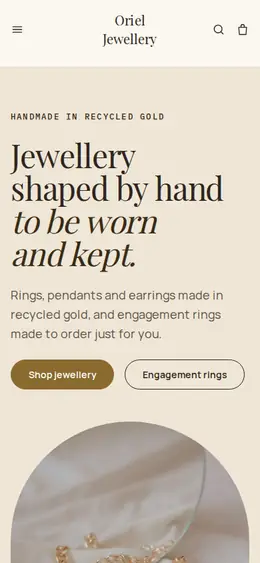
Made for Jewellers, Watchmakers, Luxury goods
Refined and luxurious for jewellery and premium goods.
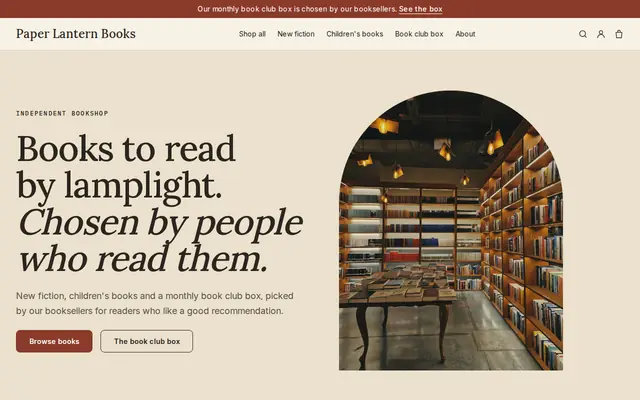
Made for Bookshops, Stationers, Record shops
Bookish and characterful for bookshops and stationers.
Before you start
Ivory, tortoiseshell, some rare hardwoods and other protected materials are restricted or banned from sale under CITES and national laws such as the UK’s Ivory Act. Check before you list, and again before shipping across borders.
In the UK and EU, dealers in secondhand goods often use a margin scheme that taxes only their margin. Ask your accountant how it fits with the way tax is charged at your checkout.
Taking older cultural objects out of the EU or the UK can need an export license above certain ages and values. Check before you ship a significant piece abroad.
General information to help you get started, not legal advice. Rules differ by country, state and product, so check the ones that apply to you.
How it works
A sentence or two is enough: what you do, who it’s for and how people buy from you.
Cornerrr writes your pages, adds your products or services, and picks the colours, fonts and look. It takes about a minute.
Link a Stripe account, or create one in a few minutes. Your customers pay you directly.
Publish on your free Cornerrr web address, or use your own. Change anything later by asking.
Payments
Payments go through your own Stripe account, straight to you. Your customers see the methods you turn on in Stripe that work for their country and currency.
Selling in Europe or the US? United States, United Kingdom, Germany, France, Netherlands, Ireland and every country we cover.
Pricing
Build and preview for free, no card needed. Every paid plan starts with a 14-day free trial, and Cornerrr adds no transaction fees.
Build your website and try everything before you go live.
$0free
Go live and start selling.
$19a month
Most popular
For growing businesses with subscriptions and deliveries.
$49a month
For several stores and bigger catalogues.
$99a month
Questions
Prices help most pieces sell without back-and-forth, and search engines can show them. Keep “price on request” for important pieces where buyers expect a conversation.
Specialist fine art and furniture couriers handle crating and blanket-wrapped delivery. List furniture as price on request and quote delivery by email once you know where it’s going.
There are no trade price lists, but designers can enter their tax ID at checkout, and you can give the trade a discount code with its own usage limits.
No. The AI writes descriptions from what you tell it and from photos, but dating, attribution and value need your expertise. Check every listing it drafts before you publish.
No. You describe your business in your own words and Cornerrr builds the website. Afterwards you change things by clicking, or by asking the assistant in plain words.
Building and previewing your website is free, with no card needed. To go live and take payments, choose a plan from $19 a month. Every paid plan starts with a 14-day free trial; a card is needed to start it.
Describe what you sell and see your shop in about a minute. It’s free until you go live.