Preview
Build your website and try everything before you go live.
$0free
Website builder for antique dealers
Tell Cornerrr what your antique shop deals in and it builds a website with collections by period and type, a page for each piece with its history and condition, and a Stripe checkout that stops once a piece is sold.

What you get
Cornerrr writes every page from your description, then you change anything by clicking or by asking.
Photos from every side, measurements, period, maker’s marks and an honest condition note. With a stock of one, checkout stops once the piece is sold.
A collection at the top of the home page for pieces just back from estate sales and fairs. The collectors who check it regularly are the ones who buy first.
Mark armoires, dining tables and big mirrors “price on request”. Buyers send their address, and you reply with the total including delivery or specialist shipping.
A form for collectors hunting a particular piece and for people who want to sell you theirs. Requests land in your Inbox, and you reply when something turns up.
Shops and makers
Products with photos, options, prices and stock, a cart and a Stripe checkout.
Photograph a piece and Cornerrr drafts a listing with a description, alt text and tags. You add what only you know: the maker, the date and where it came from.
Collectors buy across borders. On the Pro plan, add prices in other currencies, each shown on its own web address, and choose the countries you ship to.
Set fixed rates for smaller parcels with delivery estimates, add the carrier and tracking number when a piece ships, and your buyer gets a shipping email with the tracking link.
Ask the assistant to write a short note on Georgian silver, add a collection for a fair or rewrite your shipping page, then apply the change or undo it.
Ready-made themes
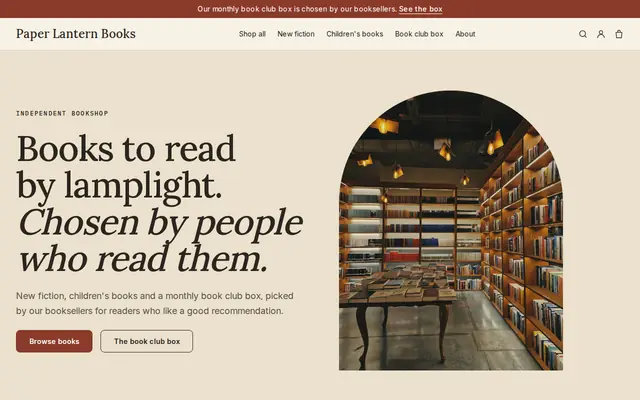
Made for Bookshops, Stationers, Record shops
Bookish and characterful for bookshops and stationers.
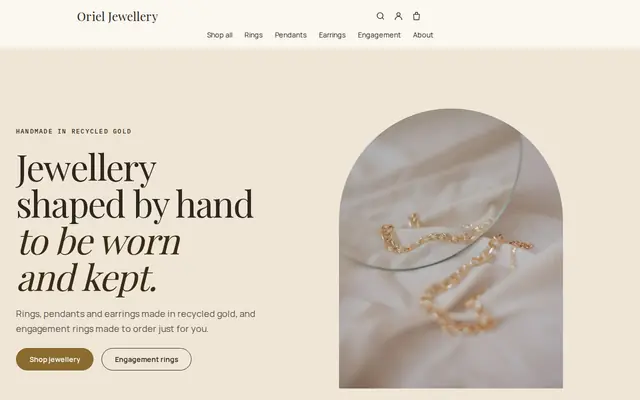
Made for Jewellers, Watchmakers, Luxury goods
Refined and luxurious for jewellery and premium goods.
Advice
Whatever you build it with, these are the things that turn visitors into customers.
Chips, old repairs, worn gilding, replaced handles: show them in close-up and mention them in words. Honest condition notes are what make a buyer trust a dealer they’ve never met.
Width, depth and height, and for furniture the seat height and drawer sizes. For mirrors and lighting add the weight too, which buyers need for hanging and you need for shipping.
Items made with ivory, tortoiseshell, some rosewoods or other protected materials can be restricted to sell or ship, especially across borders. Check the rules where you and your buyer are before you list them.
Use clear terms like “circa 1880”, “in the style of”, “attributed to” and “signed”, and explain them once on your FAQ page so buyers know exactly what you’re claiming.
If you also sell at fairs or in the shop, set the website stock to zero the moment a piece goes. A buyer who pays for something already sold rarely comes back.
How it works
A sentence or two is enough: what you do, who it’s for and how people buy from you.
Cornerrr writes your pages, adds your products or services, and picks the colours, fonts and look. It takes about a minute.
Link a Stripe account, or create one in a few minutes. Your customers pay you directly.
Publish on your free Cornerrr web address, or use your own. Change anything later by asking.
Payments
Payments go through your own Stripe account, straight to you. Your customers see the methods you turn on in Stripe that work for their country and currency.
Selling in Europe or the US? United States, United Kingdom, Germany, France, Netherlands, Ireland and every country we cover.
Pricing
Build and preview for free, no card needed. Every paid plan starts with a 14-day free trial, and Cornerrr adds no transaction fees.
Build your website and try everything before you go live.
$0free
Go live and start selling.
$19a month
Most popular
For growing businesses with subscriptions and deliveries.
$49a month
For several stores and bigger catalogues.
$99a month
Questions
Yes. Each piece is a product with a stock of one and its own photos and condition notes. When it’s paid for, stock drops to zero and the piece can no longer go through checkout.
Many dealers use a specialist courier or their own van and quote per piece. Mark large items “price on request”, buyers send their address, and you reply with the total including delivery.
Yes. Stripe Checkout takes cards and wallets from most countries and shows in your website’s language. Choose the countries you ship to, and check the customs and export rules for antiques you send abroad.
Showing prices brings more buyers and fewer back-and-forth emails for most stock. Keep “price on request” for high-value pieces where you want to talk to the buyer first.
No. You describe your business in your own words and Cornerrr builds the website. Afterwards you change things by clicking, or by asking the assistant in plain words.
Building and previewing your website is free, with no card needed. To go live and take payments, choose a plan from $19 a month. Every paid plan starts with a 14-day free trial; a card is needed to start it.
Describe your business and see your website in about a minute. It’s free until you go live.